

Knowing whether your investment in a trade show booth is worth it isn’t always as obvious as it seems. Comparing the impact of an event with previous editions or analyzing what happened during the fair helps put things into context. In the end, it’s not just about how many clients pass by the booth, but about the quality of interactions and the real value they bring.
What is ROI and Why is it Important?
ROI, or return on investment, is a financial metric that measures profitability. It’s very useful because it helps you understand whether everything invested in a booth—from design, setup, activations, to staffing—has a real impact on event results.
What to Consider When Calculating ROI
Before calculating ROI, it’s important to know the full scope of your investment during the fair. It’s not just the cost of the booth or space, but also design and production, materials used, meals, logistics, travel, and team time before and during the event. Having this complete view ensures a realistic ROI calculation.
Clients and Contacts
The first step is to know how many clients visit the booth and how they interact. Count contacts, record their data, and classify them according to real interest or intent in your business. This gives a clear picture of the fair’s impact.
Interaction and Engagement
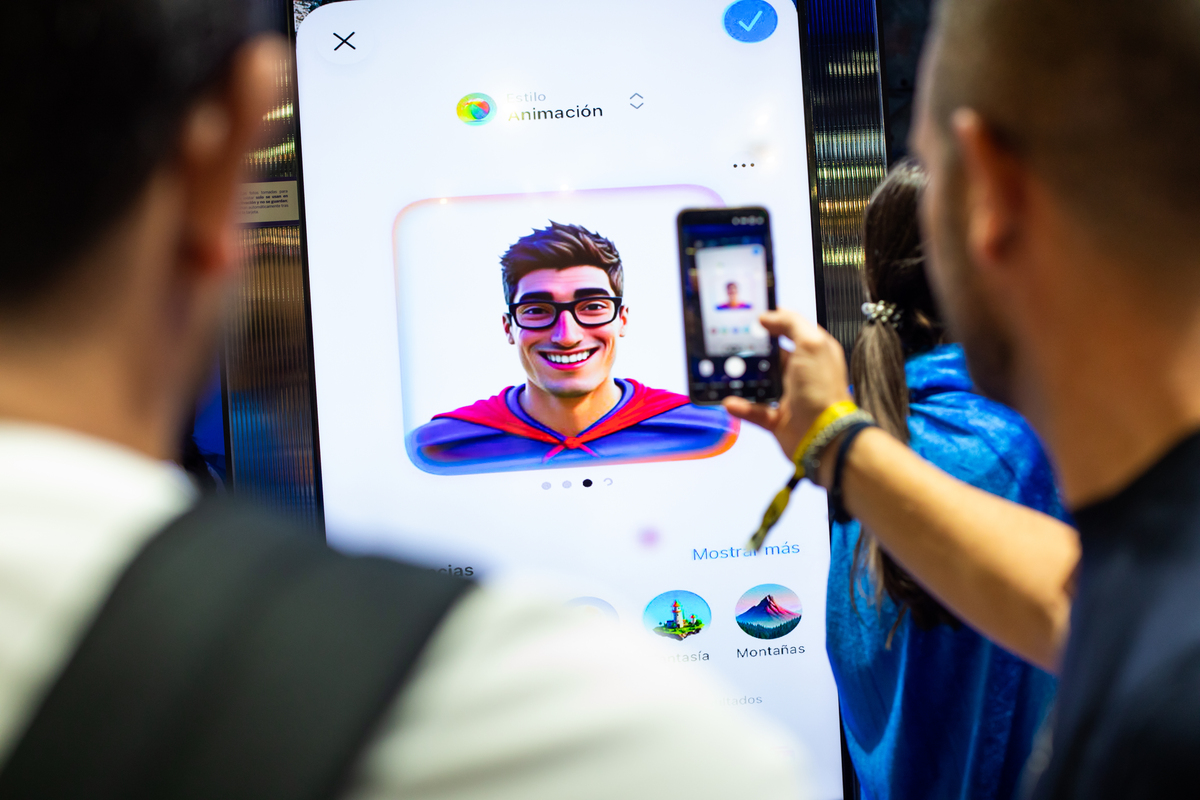
Not all visitors contribute the same. Paying attention to how long they stay at the booth, whether they participate in activities, or show interest in products provides insight into their engagement. Marketing actions at a booth help visitors stay, pay attention, and participate actively, making interactions more valuable and easier to analyze afterward.
Financial Results
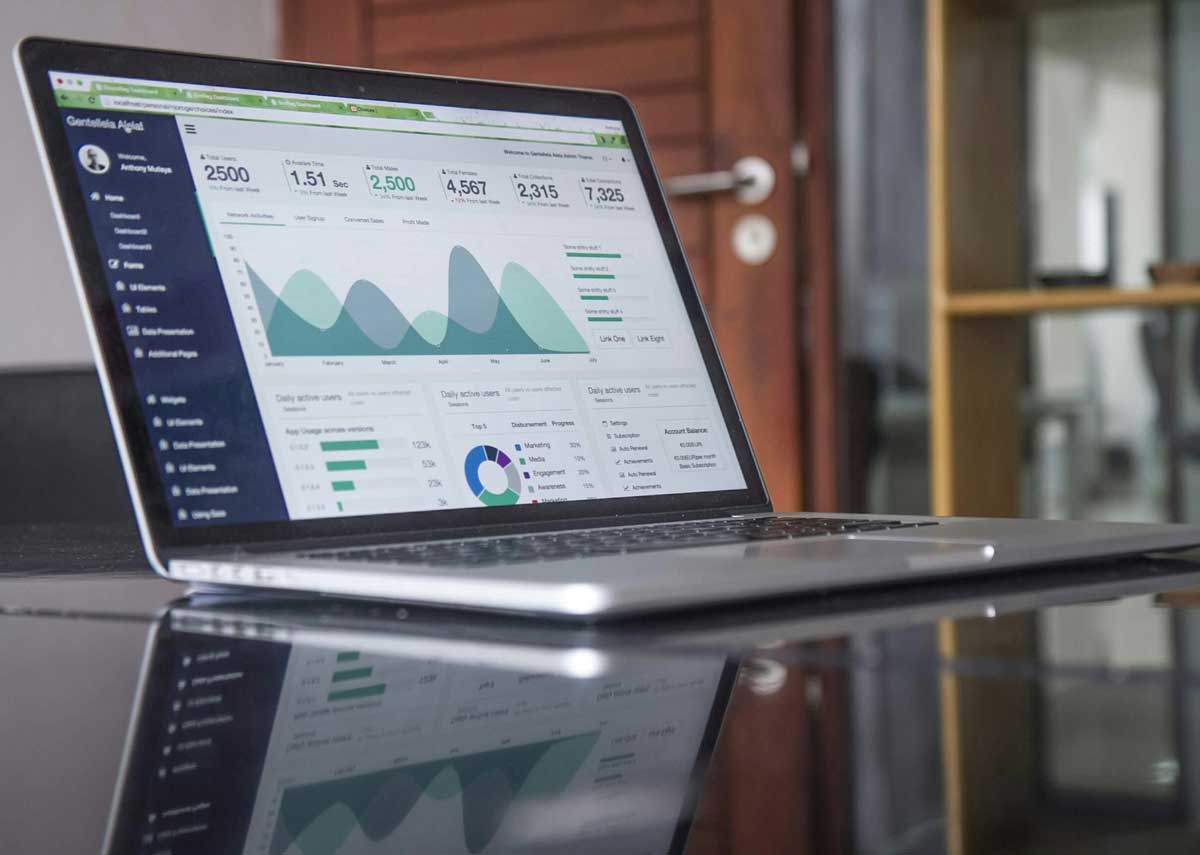
ROI is also reflected in the results after the event: closed sales, collected leads, or contacts generating opportunities. Comparing these outcomes with the investment made helps evaluate whether the booth was profitable.
How to Improve Booth ROI
Set Clear Goals Before the Event
Before the fair, take a moment to define what you want to achieve with the booth. It could be generating contacts, closing meetings, launching a new product, strengthening client relationships, or building brand awareness. With clear goals from the start, it’s easier to assess the booth’s performance and whether results align with expectations.
Booth Design
Booth design isn’t just about aesthetics. An attractive space encourages clients to approach, enter, and stay. Applying practical design and setup tips ensures the experience is comfortable and engaging for visitors.
Post-Event Follow-Up
ROI doesn’t end when the booth is dismantled. Often the most important part comes afterward, with follow-up on contacts generated. An email, call, or meeting can turn a quick booth conversation into a real business opportunity. Depending on your product or service, these opportunities may appear long-term.
Analysis and Learning for Future Events
Reviewing what worked and what didn’t is crucial for future events. Identifying which actions attracted the most clients, which messages generated interest, or when the booth had the highest traffic allows you to adjust strategies and better leverage investments in upcoming fairs.
Conclusion
Measuring the ROI of a trade show booth doesn’t have to be complicated. Start by defining your objectives, understanding what happened during the event, tracking key data, and knowing how much was invested versus what was gained. By comparing costs and results, events shift from mere presence to a valuable tool for improving future participation.