

A year ago, we launched our internal supplier evaluation process with the aim of aligning our entire supply chain with the environmental and social criteria that reflect our commitment to sustainability.
The system was designed around periodic audits, roadmaps with guidance and advice on improving sustainability practices, and ongoing follow-up, with the goal of supporting suppliers in continuous improvement.
Today, twelve months later, we share the first results and feedback from our suppliers, showing how this joint effort is establishing a more responsible and transparent collaboration model.
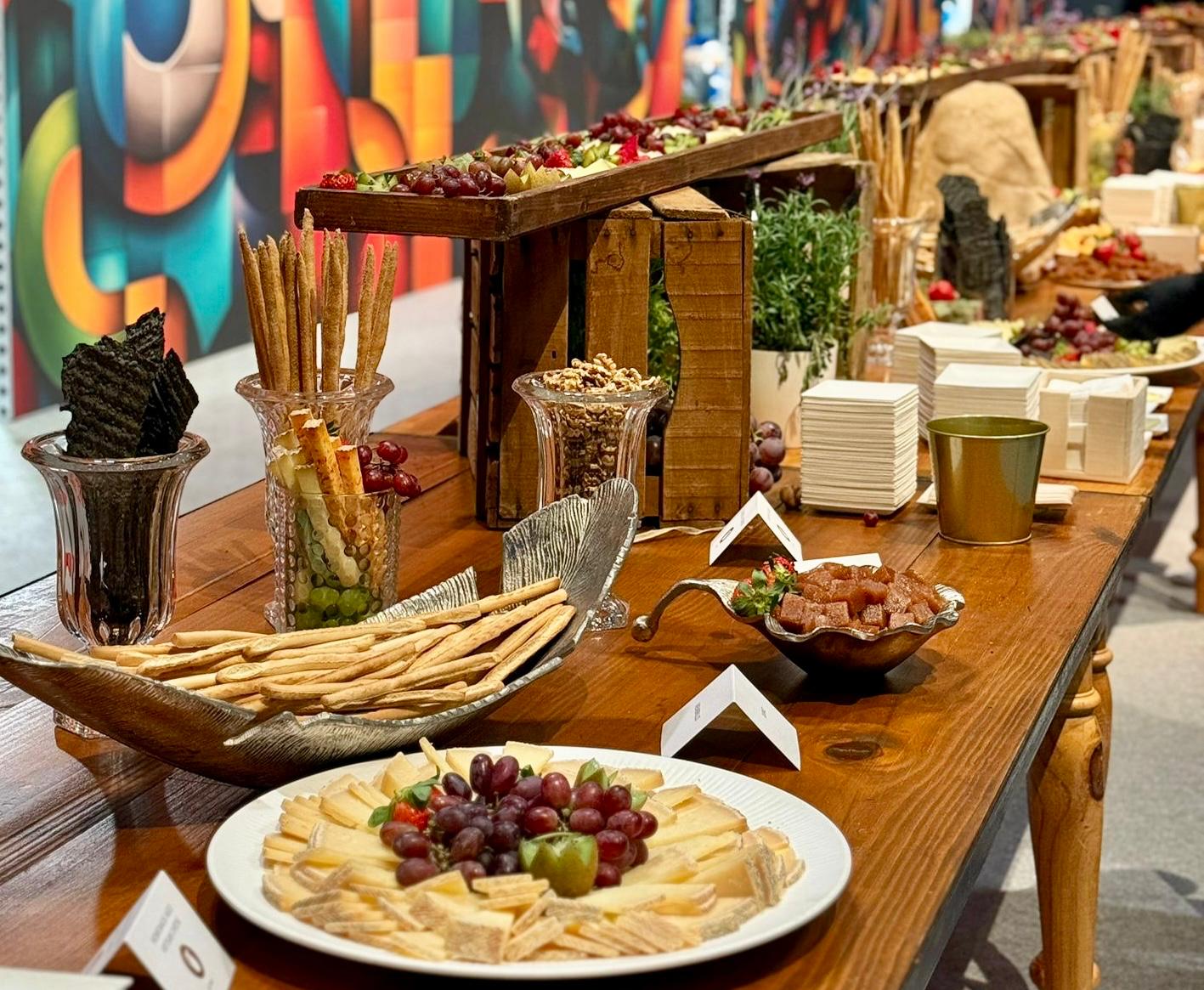
We begin with the testimony of Artigot Catering, which over the past year has strengthened its commitment to sustainability through a series of actions that reflect a clear vision consistent with today’s challenges.
Specializing in catering for corporate and social events, the company has demonstrated that change is possible when working with purpose. In this interview, we speak with Susana Cornejo, founding partner of Artigot Catering, to learn more about their approach, evolution, and how they integrate sustainability at the core of their operations.
What specific measures have you implemented over the past year to advance sustainability, both internally and externally?
Last year, 2024, was particularly intense because we carried out a facility relocation, which was a major challenge while keeping operations a priority. Still, we managed to make significant progress: we reduced single-use plastics by 90%, and currently 95% of the ingredients we use are local and seasonal.
Additionally, we launched Aymat Vegan, a 100% vegan line designed to minimize the environmental impact of our culinary offerings, contributing to the reduction of greenhouse gas emissions. We have also developed our own Sustainability Policy, which serves as a guide across all areas of our work.
In terms of efficiency, we have implemented water-saving systems—drip irrigation, dual-flush toilets, automatic taps, and signage promoting responsible consumption—as well as energy efficiency measures, such as motion detectors, an electric car charger, awareness signage, and electricity sourced 53% from renewable energy.
How do you think the audit conducted by 4for helped improve your sustainability practices?
The audit provided a clear, objective snapshot of our sustainability performance. We were able to identify our consolidated strengths—such as waste management, water savings, energy efficiency, and social inclusion—but the most valuable aspect was the visibility it gave us into areas for improvement. One key aspect was formalizing our own sustainability policy. Thanks to this assessment, we could prioritize actions, structure a work plan, and set clear milestones, progressing with greater coherence and transparency.
What are your next steps to continue integrating sustainability into your operations?
The next major milestone is obtaining the F&B Safe and Sustainable sustainability certification from Garantía Cámara. This will allow us not only to maintain the measures we’ve already implemented but also to improve them year after year.
Another goal is to strengthen the social dimension of our strategy, consolidating our inclusion and diversity policy through the ENVERA agreement, inclusive hiring practices, and preventive measures against harassment.
Finally, we aim to increase the frequency of our food donations. A recent example was at a major event at IFEMA, where we donated 130 kg of food to the organization REMAR. We strongly believe that actions like these are also part of a real, sustainable commitment.
Susana Cornejo Aymat, Founding Partner of Artigot Catering